UNSW tracks groundwater recharging: study
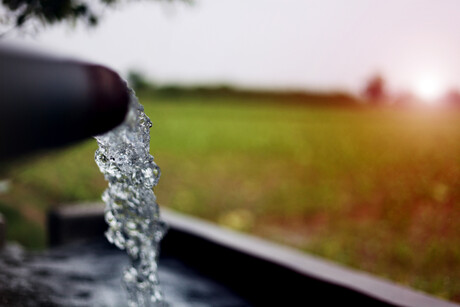
UNSW Sydney research is looking at when groundwater recharges, and how climate change is affecting that process.
Groundwater supplies the majority of Australia’s drinking and irrigation water; however, scientists still don’t fully understand how rainfall translates into recharge below the surface — particularly as climate change shifts rainfall patterns towards fewer, more intense events.
UNSW’s combined engineering and science teams are tracking how water moves from the surface into aquifers — and also how disturbances like severe bushfire can fundamentally change that process.
“We’re tackling this big question of ‘how does water get underground’ — and how much rainfall is needed to replenish it? That’s not only poorly understood, it’s also hard to measure,” said UNSW Professor Andy Baker.
UNSW Associate Professor Marilu Melo Zurita said, “This work can help people — decision-makers, managers and, importantly, community — see that groundwater is not an endless back-up. It is a system that depends on specific rainfall events, land use and long-term care.”
The video below provides further information on UNSW’s groundwater research and how the university uses caves to study how rain events recharge groundwater.
Emergency crises hub launched for Asia–Pacific
The hub can dispatch a fully trained team and equipment at a moment's notice to deliver clean...
AWA celebrates National Water Week 2026
Hosted by Australian Water Association, National Water Week has kicked off, with the theme...
Long-term water security project proposed for Hunter region
The proposed project will replace a 12 km section of the CTGM between Brookfield Tunnel and Burmi...