How do we prepare for a hotter, more populated, Sydney?
By Stephan Gumpert, Manager, ANZ technical sales specialist team at Autodesk
Wednesday, 03 June, 2026
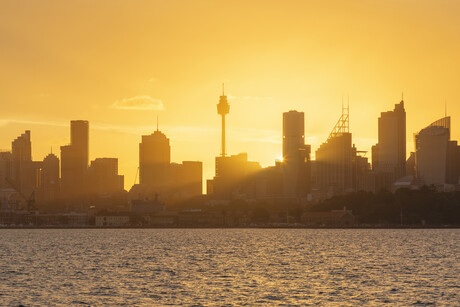
There are two things that seem inevitable about Sydney’s future; the population will grow, and the city will get hotter. And both outcomes are intrinsically linked.
Recent data suggests greater Sydney’s population is projected to increase by 1.4 million people, reaching 6.3 million in 2041. This is a 13% increase in a decade, with New South Wales also becoming home to 9.4 million.
Despite the growth, Sydney will still be on the lower end of population density for major cities across the world; well below cities like London, New York, Toronto and Berlin. Regardless, density concerns prevail. As we build out homes to accommodate more people, the fear is that new subdivisions and neighbourhoods will foster a concrete jungle. This is something we have to avoid.
In parallel, we have to balance a higher population with a warmer city. Researchers from the University of British Columbia found Sydney’s summer season had increased in length by 49 days since 1990. Sydney’s rate of warming was more than double that of most other cities analysed, including Tokyo, Paris, Reykjavík and St Petersburg.
In Western Sydney, where the city’s heat islands are concentrated, particularly in new developments, unshaded concrete can reach 60°C, and asphalt can hit 75°C. Concrete has a high thermal mass, meaning it can retain heat for long periods of time and continue to radiate it well into the evening.
From heat-absorbing materials, like concrete, to fewer trees for shade and greenery, this creates a heat island effect, where cities have a higher temperature than surrounding rural areas. As we rush to build new neighbourhoods to accommodate more people quickly, we need to actively avoid creating more heat islands than we currently already have.
New subdivisions and neighbourhoods need to be designed around green spaces, prioritising community connection, accessible public spaces, and shaded outdoor areas to lessen the impact of extreme heat.
This is particularly important for new housing development projects in Sydney, such as the recently announced Bays West, which has promised to deliver 8500 well-located homes in the underutilised port facility.
What the project will look like is not yet known. But designers need to build for a Sydney of the future. Yes, that includes a higher population, but it also means a hotter city. New neighbourhoods like Bays West must put shade and liveability at the centre of the design process to create comfortable environments where people want to live and play, sheltered from the oppressive Aussie summer heat.
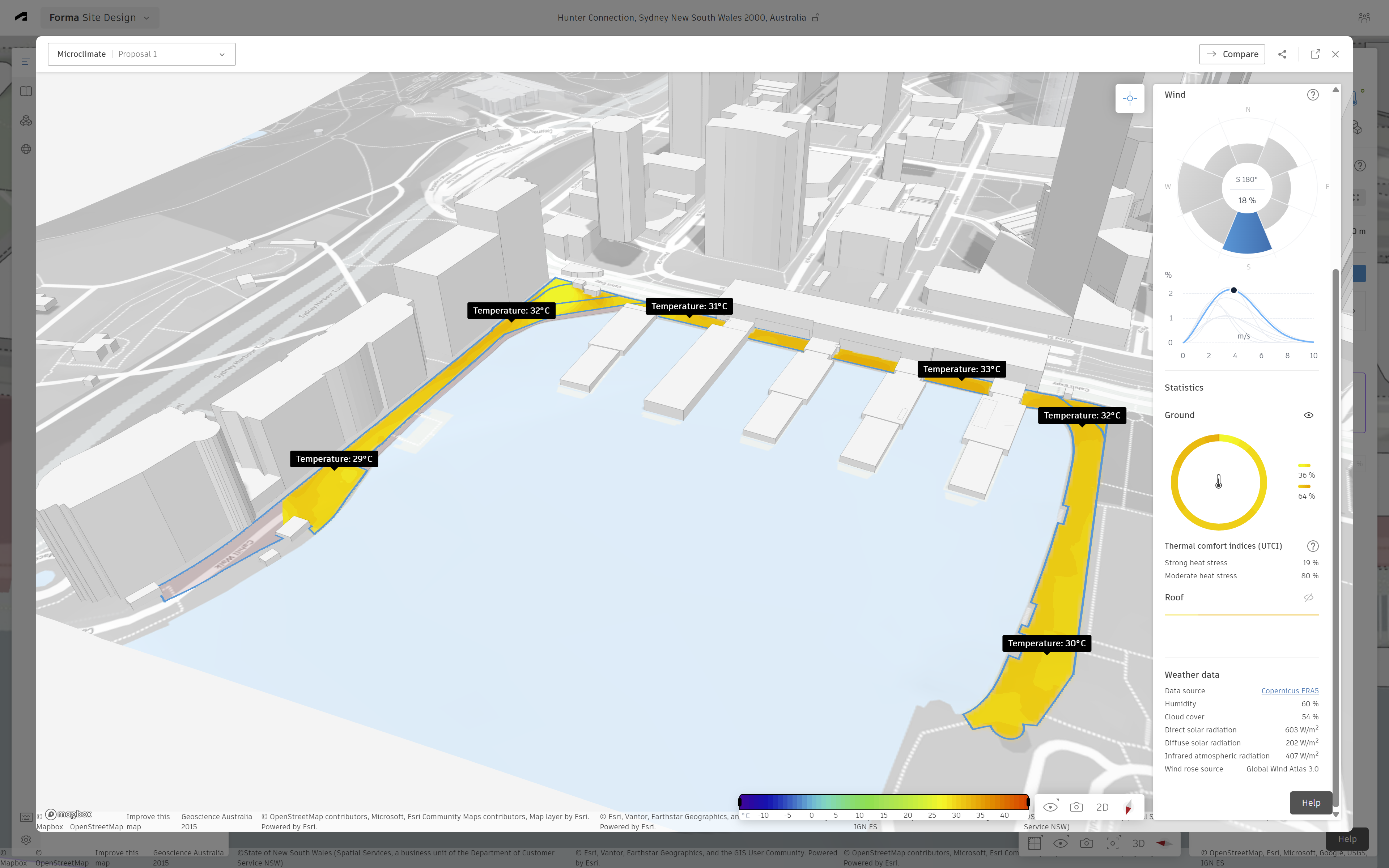
Luckily there are tools that take the guesswork out of city planning. You no longer need to plant trees or add shading elements and then hope they’ll offer the right amount of shade. Technology can simulate building volumes and outdoor environments and show the direct impact of shading strategies on lowering the temperature of the area.
Thermal comfort maps and heat maps can be created for a specific date and time so architects and urban planners can see how the outdoor environment will handle extreme temperatures. These maps can also show exactly when outdoor spaces like public parks and squares will be hottest/coldest, because there’s no point in spending the time and money to create outdoor spaces if they become too hot for people to enjoy.
As Sydney enters this phase of rapid growth, there is the potential that Bays West will be the first of many similar housing developments announced in the next few months and years. And it’s welcome because, simply put, we need many, many more homes. But it’s important we take the time to build with the Australian lifestyle at the centre, by embodying community, greenery and access to the outdoors.
These days, this kind of analysis doesn’t even add extra time or hassle to the planning phase. But it does help make these new neighbourhoods a significantly more enjoyable — and cooler — place for people to call home.
Beyond compliance: why ESG in construction is becoming a people issue
The shift comes as the industry faces significant workforce pressures, with skilled labour...
Nature is the blueprint for better cities
Consideration of the natural environment can no longer be treated as an optional design feature...
Australia's data centre future will be built on concrete — so make it more sustainable
The way we build data centres will shape whether Australia's AI future is genuinely...