How Energy Technology can advance net zero journeys

Modern organisations operate complex, energy-intensive estates across multiple locations. They are under pressure to reduce emissions, modernise ageing infrastructure and improve operational resilience while accommodating new electrical loads and distributed energy resources.
Universities are no different. Their campuses bring together buildings, transport, research facilities and critical services, creating a demanding environment for energy transformation.
La Trobe University’s $75 million, 10-year journey to reach net zero by 2029 shows how physical infrastructure and digital energy management can work together across a multi-site estate. Delivered in partnership with Schneider Electric and other partners, the program has modernised ageing infrastructure, integrated renewables at scale and improved operational efficiency across campuses in Melbourne, regional Victoria and Sydney.
Integrating renewable energy at scale
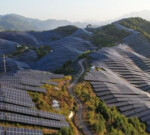
At La Trobe’s Bundoora campus, Victoria’s largest urban solar farm is changing how energy is generated and managed on site.
The 3.5-hectare installation comprises 4,300 solar panels generating 2.9 MW of renewable energy for the university’s operations. It is supported by a 2.5 MW/4.5 MWh battery energy storage system, allowing excess solar energy to be stored while strengthening energy reliability and grid stability.
Connecting generation and storage to an existing campus network required the supporting electrical infrastructure to evolve. Schneider Electric worked with La Trobe to integrate the solar farm and battery energy storage system with the university’s existing infrastructure, helping improve operational performance while reducing emissions.
Medium-voltage upgrades included Schneider Electric’s SF6-free SM AirSeT switchgear, supporting the solar farm’s power reliability while reducing the environmental impact of the distribution system itself. Its circular, low-toxicity design is expected to extend the asset lifecycle from 30 to 40 years.
Making energy performance visible
Physical infrastructure is only one part of the transformation. Managing a growing network of renewable generation, storage and electrified loads also requires clear, current information about how the system is performing.
Through EcoStruxure™ Power Monitoring Expert, La Trobe gained real-time visibility into energy use, demand patterns and optimisation opportunities across its campuses. This gave facilities and engineering teams a clearer basis for operational decisions, renewable load balancing and future infrastructure planning.
The value extends beyond reporting. By connecting operational data with the physical energy system, La Trobe can manage its estate with clearer insight and plan future upgrades with a better understanding of their effect across the network.
Extending electrification across the estate
The Bundoora solar farm forms part of a broader, multi-campus transformation.
Across La Trobe’s sites, the program included 76 electric vehicle chargers, extensive electrification and industry-leading building upgrades, renewable generation across rooftops and carports, and a campus-wide biodiversity plan. Shepparton also became the university’s first fully electric campus.
Each new asset introduced additional loads, connections and operating requirements. Together, the solar farm, battery storage, distribution upgrades, EV charging and digital energy management supported a broader, multi-campus energy transformation.
“This project is a true reflection of our continuing partnership with Schneider Electric and our mutual commitment to a more sustainable future for generations to come,” said Andrew Jennings, Executive Director, Net Zero, Facilities, Assets and Services at La Trobe University.
“The scale and complexity of this transformation — modernising ageing infrastructure, integrating new renewable systems, and building an industry-leading university campus is significant. Schneider Electric’s expertise has ensured we can electrify, digitise and decarbonise our campuses without compromising the experience of our students, staff or researchers.
“Achieving an 80% emissions reduction is a major milestone, and it sets a strong foundation for the next and most ambitious phase of our Net Zero 2029 journey.”
Progress built on connected systems
La Trobe has now reduced its operational emissions by 80%, equivalent to 45,000 tonnes of CO2. That progress came through a multi-campus program spanning renewable generation, battery storage, electrical distribution, electrification and real-time energy management.
The result is an estate that can be managed with clearer operational insight and a stronger foundation for the next phase of its net zero program.
La Trobe’s experience carries a wider lesson for organisations managing complex, energy-intensive estates. Renewable generation and electrification deliver more value when the supporting distribution, monitoring and management systems are designed alongside them.
Further electricity-distribution upgrades planned over the next five years will continue to scale the program across La Trobe’s campuses. The university’s progress shows how Energy Technology can turn net zero targets into measurable change across infrastructure, operations and emissions.
Power and cooling readiness emerge as barriers to scaling AI
Technology decision-makers say Australia needs further investment in digital and energy...
Why production flexibility matters to Australian food and beverage manufacturers
Automation is embedded across much of food and beverage production, but its flexibility varies...
A practical path to electrifying food manufacturing
For producers assessing energy costs, supply exposure and emissions, reducing dependence on gas...