What the Japanese bullet train can teach us about cutting emissions
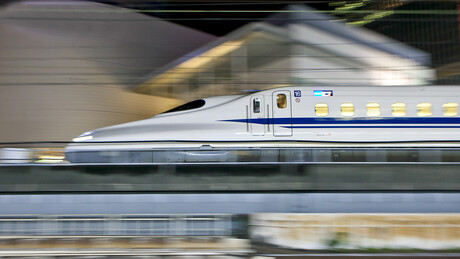
In Japan, there is a concept often referred to as “Shinkansen thinking” — inspired by the creation of the bullet train in 1964. At the time, engineers were asked to halve the travel time between Tokyo and Osaka. It was widely seen as impossible.
What followed wasn’t incremental improvement. Engineers reimagined the entire system: the trains, the tracks, the power supply, even the route itself. The result didn’t just change rail travel in Japan — it reset expectations globally.
This is exactly the kind of thinking we need to apply to the way we operate essential infrastructure like water, wastewater, stormwater and transport networks.
Australia’s emissions reduction targets are well known, and often debated. But the bigger challenge is not whether targets are too ambitious or too conservative. The real issue is how we translate them into practical, day-to-day operational decisions across high-energy, asset-intensive sectors.
For water utilities, one of the biggest opportunities to reduce emissions is also one of the most familiar parts of the network: pumps.
Pump performance: where emissions and operations collide
Pumping is one of the largest consumers of energy in water and wastewater systems. Whether moving drinking water across long distances, transferring wastewater between catchments, or managing stormwater during rainfall events, pumps run constantly — and often inefficiently.
Many utilities still operate pumps based on static rules, manual intervention, or historical assumptions about demand and network behaviour. The result is unnecessary energy use, higher operating costs, accelerated asset wear and, ultimately, higher emissions.
This is where modernisation is key. Data gives us insight into the water network and utilities to see how pumps actually perform under real-world conditions. Digital models can bring together hydraulic models, SCADA data, asset condition, energy pricing and demand patterns into a single operational view.
It seems such a simple concept, visibility. Yet having eyes on inefficiencies can have a major impact on emissions reduction targets. Optimising pump schedules can reduce peak energy demand, identify underperforming or oversized pumps that waste power, simulate operational changes before applying them in the real world, and reduce unplanned pump run-time caused by reactive responses to events.
Unless you’re in the industry, things like pump efficiency wouldn’t be top of mind for emissions reduction. But small improvements in pump efficiency, applied consistently across a network, translate directly into measurable reductions in electricity consumption and associated emissions. Importantly, these gains don’t rely on future technology or major capital replacement programs.
From water networks to transport resilience
The emissions story doesn’t stop at the water sector. Transport infrastructure — roads, rail corridors, tunnels and stations — is deeply interconnected with how well we manage stormwater and drainage systems.
Extreme rainfall events are becoming more frequent and more intense. When drainage systems fail or are overwhelmed, the consequences are immediate: flooded roads, closed rail lines, damaged pavements, eroded embankments and unsafe conditions for the public.
Every time a transport corridor is shut down due to flooding, emissions rise. Traffic congestion increases. Freight is delayed. Emergency response and repair crews are mobilised. In many cases, damaged assets must be rebuilt sooner than planned, driving additional embodied carbon.
Stormwater and drainage assets are therefore not just “water infrastructure” — they are critical enablers of low-emission, reliable transport networks. Technology can help us understand how stormwater systems perform under different rainfall scenarios, land use changes and climate conditions. The result is a more holistic view of networks, enabling proactive management of capacity constraints, early identification of high-risk locations, and coordinated planning across water and transport agencies.
By securing drainage performance, we protect transport assets, reduce disruption and avoid the cascading emissions that follow infrastructure failure.
Designing and operating for a lower carbon future
The most important shift is cultural. Like the engineers behind the bullet train, we need to stop asking how to marginally improve existing processes, and instead ask how infrastructure should be designed and operated if emissions reduction were a primary objective.
Tools to support this shift in perspective are already here. What’s required now is the willingness to use it differently — to give engineers and operators the space to think beyond traditional constraints, working together to ensure operations are meeting planning estimates, all the while reducing emissions, saving money and increasing safety of utility teams and the public alike.
The bullet train wasn’t the result of doing things faster. It was the result of doing things differently. If we apply that same mindset to water, stormwater and transport infrastructure, reducing emissions becomes not just achievable, but inevitable.
SEW projects to deliver six billion litres of recycled water annually
South East Water has invested in three major recycled water projects to boost water security and...
Smart stormwater system removes harmful pollutants
The technology consistently removed more pollution than conventional systems, increasing removal...
From compliance to circularity: three ways pharma manufacturers can rethink resource management
Effective water management within manufacturing processes can serve as a strategic lever to...