SEW projects to deliver six billion litres of recycled water annually
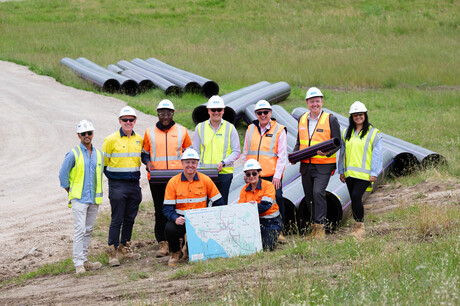
South East Water is accelerating water sustainability across Melbourne’s south-east. Three major recycled water projects are helping to strengthen water security, build climate resilience, reduce recycled water discharges to the environment, support local economies and reduce reliance on precious drinking water supplies.
Together, the Dingley, Monterey and Western Port recycled water schemes have the potential to deliver almost six billion litres of recycled water annually, and provide fit-for-purpose water for public spaces, community facilities and agriculture in Melbourne’s south-east.
Dingley Recycled Water Scheme
The Dingley Recycled Water Scheme is a major investment in recycled water infrastructure that supports Melbourne’s water security and climate resilience. Co-funded by South East Water and the Victorian Government, the project will deliver up to 1.8 billion litres of Class A recycled water each year to more than 40 sites, including parks, sports grounds, golf courses, nurseries and market gardens.
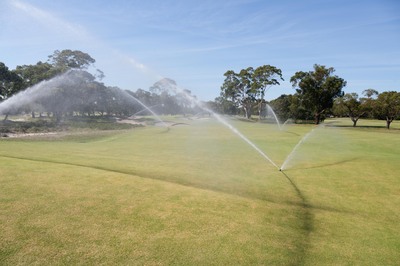
The project recently passed its halfway milestone, with 20 kilometres of the scheme installed and a new pump station under construction at Braeside Park. Expected to begin supplying recycled water in 2027, the scheme will help keep local green spaces thriving year-round while generating more than $90 million in economic benefits and supporting over 240 jobs.
Monterey Recycled Water Scheme
Completed in 2026, the Monterey Recycled Water Scheme delivers around 98 million litres of Class A recycled water annually through a 2.3-kilometre underground pipeline network in Frankston North.
The scheme supplies a reliable, climate-resilient water source to local sporting reserves, community facilities and The National Golf Club Long Island, helping maintain green open spaces while reducing reliance on drinking water.
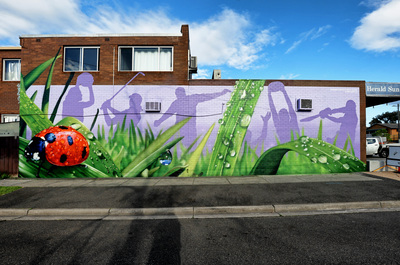
To celebrate the project and promote water sustainability, South East Water partnered with Frankston City Council and artist Jimmy Dvate to create a community mural highlighting the connection between recycled water, sport and community wellbeing.
Western Port Recycled Water Scheme
Construction is also progressing on Stage 1a of the Western Port Recycled Water Scheme, which will deliver up to 4 billion litres of Class A recycled water each year to farms across Cardinia Shire.
The project includes approximately 49 kilometres of pipeline connecting farming communities including Pakenham South, Cora Lynn, Garfield and Bayles.
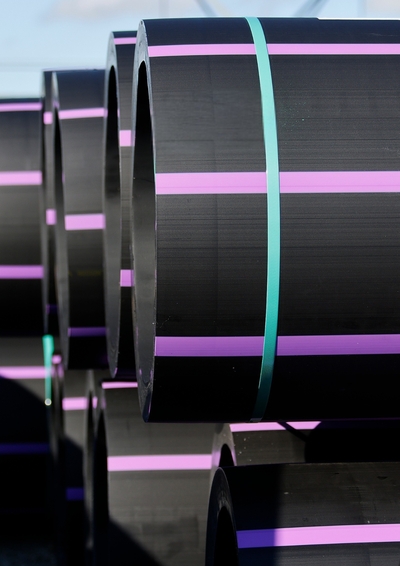
By providing a reliable, climate-resilient water source, the scheme will support agricultural productivity while reducing reliance on groundwater and local waterways.
Supported by the Australian Government’s National Water Grid Fund and South East Water, the $113.2 million project is expected to generate $104 million in regional economic output and support more than 90 jobs. Recycled water deliveries are expected to commence in 2028.
Collectively, these projects demonstrate the importance of recycled water in building climate resilience, supporting growing communities and securing water supplies for the future.
South East Water’s General Manager Liveable Water Solutions, Charlie Littlefair, said the schemes reflected the organisation’s commitment to investing in long-term sustainability and alternative water sources.
“Projects like the Dingley, Western Port and Monterey recycled water schemes demonstrate how South East Water is investing in infrastructure that will benefit our communities for generations to come,” Littlefair said.
“By investing in recycled water infrastructure, we’re reducing pressure on drinking water supplies, supporting greener and more liveable communities, and helping build a more climate-resilient future for generations to come.”
Smart stormwater system removes harmful pollutants
The technology consistently removed more pollution than conventional systems, increasing removal...
From compliance to circularity: three ways pharma manufacturers can rethink resource management
Effective water management within manufacturing processes can serve as a strategic lever to...
Digitising sustainability using AI on water infrastructure project
The TasWater project shows how a work management platform and AI have formed a model that could...