Analysis shows Australia's plastic recycling future at risk
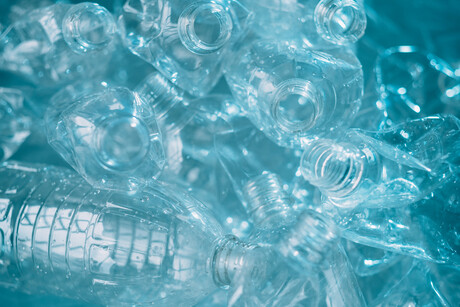
The Australian Council of Recycling (ACOR) and the Australian Packaging Covenant Organisation (APCO) have said the Australian Government must urgently introduce packaging reforms or risk the collapse of the country’s plastic recycling sector and face millions of tonnes of plastic waste continuing to pollute the environment.
Australia uses more than 1.3 million tonnes of plastic packaging each year — most of it imported — with more than one million tonnes ending up in landfill or littered.
Although Australian recyclers have the capability to process recyclable plastic, limited demand for locally recycled plastic packaging is placing facilities at risk of scaling back or closing.
An economic analysis undertaken by Rennie Advisory for ACOR and APCO determined that reform to ensure all packaging meets strict design standards, is made with recycled materials and is recyclable or reusable can help build a stronger, cleaner, more self-reliant economy.
The analysis, outlined in the ‘Securing Australia’s Plastic Recycling Future’ report, determined that introducing a fee-based Extended Producer Responsibility (EPR) scheme, whereby brand owners and producers take responsibility for what happens to their plastic packaging after it’s disposed of, would have a negligible cost impact, adding just 0.1% to product costs.
The analysis found packaging reforms could deliver the following benefits over the next five years:
- Reducing the amount of plastic waste polluting the environment by 370,000 tonnes a year.
- Increasing economic activity in Australia by $2.5 billion in gross value-add.
- Spurring additional investment of $220 million in private capital.
- Creating almost 20,000 new jobs.
- Reducing CO2 emissions from plastic by 700,000 tonnes a year.
The development of National Packaging Laws was agreed to by the Australian Government in 2023, in response to the low rate of plastic recycling and the need to shift Australia from a ‘take, make, waste’ model to a sustainable circular economy.
Currently, most of the plastic packaging sold in Australia is made from imported, low-cost, fossil fuel-based plastics, and only 8% of packaging is made using recycled plastic.
This is despite significant government-supported investment in domestic recycling infrastructure and substantial efforts by many brand owners to redesign packaging for recyclability and recycled content.
Without regulatory reform, the analysis forecast that utilisation of existing Australian plastic recycling facilities could fall to just 32% within the next five years, resulting in facility closures, job losses and a stalling of investment in the circular economy.
There would also be a dramatic increase in plastic waste, with the cumulative cost to the environment projected to exceed $32 billion by 2050, while imported virgin plastics continue to increase.
To deliver meaningful environmental and economic benefits, the analysis found that packaging regulations must include measures that prioritise the use of Australian-made recycled plastics over imported products.
“Without strong markets for locally recycled plastic, Australia risks repeating Europe’s experience, where falling demand and cheap imports have forced plant closures and left recycling capacity stranded,” said Suzanne Toumbourou, CEO of ACOR.
“Significant investment in recycling infrastructure through the government’s Recycling Modernisation Fund, along with a ban on the export of plastic waste, has shaped Australia’s recycling system.
“The Australian Government must now urgently introduce its planned packaging reform to ensure the future viability of the domestic plastic recycling industry and break the bottleneck in plastic waste. This can help to secure a future where plastic is remade into new products and Australians can continue to benefit from the results of their recycling efforts.”
APCO CEO Chris Foley said, “Building strong, lasting demand for Australian recycled plastic packaging is essential if we’re going to meet Australia’s targets for sustainable packaging and deliver circular outcomes for these materials. It’s also how we back the brand owners that are already investing in better packaging.
“APCO’s members include many of Australia’s leading brands that have spent years improving packaging design and labelling, and increasing recycled content. We now need clear, nationally consistent rules that reward leadership, bring laggards up to the mark and turn that effort into real environmental and economic outcomes, including less waste, more local jobs and more value retained in the Australian economy.
“With the right reforms, we can turn today’s bottlenecks into an opportunity for Australia, keeping valuable materials in circulation, supporting local jobs and giving consumers confidence that the packaging they see on shelves has been designed for a circular economy.”
Smart bin receives 2026 Australian Good Design Award
Rather than functioning as a conventional waste bin, it works as an IoT-enabled return point...
AI solar smart bins to end Vic fixed-route rubbish runs
Installation of the smart bins will be completed by the end of November, with 500 bins to be...
Qld Govt backs new resource recovery event
The event is gaining momentum among leading industry associations committed to advancing resource...