Training centre opens to improve alloy lifecycle
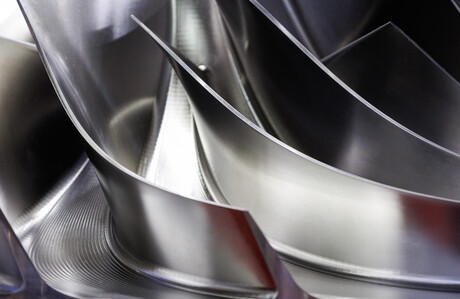
The ARC Training Centre for Resource Efficient Alloys in a Circular Economy (circAlloy) has officially launched at Deakin University.
As demand for metal grows, there is increasing pressure to use fewer raw materials, reduce energy use and cut emissions. circAlloy aims to get more value from materials, while reducing waste and environmental impact.
Work at the centre is focused on improving the full lifecycle of alloy materials from design and production through to use, recovery and reuse. Its goal is to create materials that perform strongly while using fewer resources and generating less waste.
This includes developing alloys and processes that use less raw material, require less energy to produce, last longer in service, and are easier to reuse or recycle at the end of their life.
Although newly launched, circAlloy has already made some progress. The centre has appointed five research staff and welcomed its first PhD student, marking the start of its training activities. It has also hosted two symposiums and welcomed an international academic visitor, helping to build national and international connections.
The centre will train industry-ready researchers who understand both materials science and its real-world application. This will help build the skilled workforce needed to support advanced manufacturing and more sustainable production systems.
Key focus areas at the centre include:
- Using less material without compromising performance — designing alloys that maintain strength and durability with fewer inputs, reducing costs, energy use and waste.
- Extending the life of products and infrastructure — improving durability to reduce maintenance, replacement and material use across sectors.
- Boosting recycling and reuse — making it easier to recover and reuse metals, reducing landfill and increasing the value of materials already in circulation.
Supported by an ARC investment of $4.9 million over five years, circAlloy will develop solutions that can be applied in practice. Its work is planned to support cleaner manufacturing; reduce waste and emissions; strengthen national capability in advanced materials; and deepen collaboration between universities and industry.
Read more about circAlloy on its website.
Smart bin receives 2026 Australian Good Design Award
Rather than functioning as a conventional waste bin, it works as an IoT-enabled return point...
AI solar smart bins to end Vic fixed-route rubbish runs
Installation of the smart bins will be completed by the end of November, with 500 bins to be...
Qld Govt backs new resource recovery event
The event is gaining momentum among leading industry associations committed to advancing resource...