Electrification can protect against global disruption, says EEC
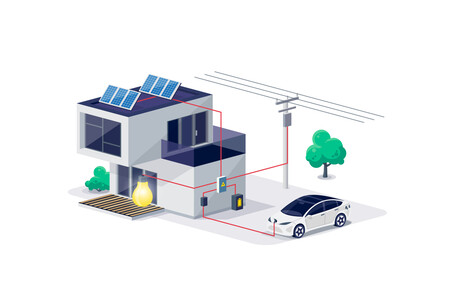
The Energy Efficiency Council (EEC) has called on Australian governments to ramp up support for the electrification of homes to bolster their resilience to global energy shocks.
With Australians facing their third major disruption to the global energy market in the last six years, the International Energy Agency (IEA) has cautioned that it may take months to recover from current disruptions to oil and gas supplies in the Middle East.
“This highlights the economic and financial vulnerabilities we face if we continue to rely on fossil fuels,” said Luke Menzel, CEO of the Energy Efficiency Council.
“While the immediate impact of this crisis has been on petrol prices, a prolonged conflict could result in higher gas prices as well. Accelerating the switch from oil and gas to clean, efficient electricity reduces running costs and insulates Australian households and businesses from future economic shocks,” he said.
Recent research by the Institute for Energy Economics and Financial Analysis (IEEFA) shows that upgrading homes with electric appliances, energy efficiency measures, solar and batteries, can cut home energy bills by up to 90%.
“Electrification is a better way to meet our energy needs in every way. It’s more efficient, cleaner, and almost always reduces running costs. Wherever we can — across buildings, transport and industries — we should electrify. And the earlier we do so, the faster we can enjoy the benefits,” Menzel said.
Over 50% of final energy demand in Australia’s residential sector is sourced from electricity, growing at a rate of 1.7% annually over the past five years of data, after flatlining in the years prior.
“Around five million homes remain connected to reticulated gas networks, with another two million using LPG. They all need to make the shift from gas to efficient electric homes by 2050,” Menzel said.
“We need a large-scale, long-term, national effort to upgrade our existing housing stock over the next 25 years into energy-efficient, electrified homes through a range of improvement measures such as insulation and draught-proofing, and upgrades to efficient electric appliances.”
For more detail on the EEC’s recommendations, visit the Energy Efficiency Council’s Efficient Electric Homes Market Acceleration Plan and its 2026-27 Pre-Budget Submission.
Epson MD serves meals for CEO CookOff
The OzHarvest CEO CookOff will bring together business leaders, chefs and corporate teams to...
World record set for large-scale perovskite PV efficiency
UNSW has collaborated with a high-tech energy company to set a benchmark for 676 cm2...
Australia now more at risk from climate pollution
Australians remain dangerously exposed and ill-prepared for the risks outlined in the 2025...