Renewable energy mix to power Garden Island
Carnegie Wave Energy is set to design and build the world’s first renewable energy island ‘microgrid’ that includes wave energy generation as part of the mix. The project will begin construction before the end of this year and is expected to be up and running by mid-2017.
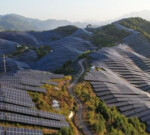
The $7.5 million project, which will see Garden Island (off the coast of Perth) completely and independently powered by a mix of renewable energy technologies, will involve the construction and integration of 2 MW of photovoltaic solar capacity and a 2 MW/0.5 MWh battery storage system. These will be coupled with Carnegie’s own CETO6 offshore wave energy generation technology, developed at the same site.
Carnegie’s system is a small-scale power grid designed to operate independently or in conjunction with the Western Australian electricity network’s main electrical grid, seamlessly transferring between the two modes: on-grid and island mode. The two modes of operation will demonstrate the system’s future application for a range of fringe-of-grid and off-grid scenarios, acting as a template for remote islands and fringe-of-grid communities globally.
The initiative has received $2.5 million from the Australian Renewable Energy Agency (ARENA), with CEO Ivor Frischknecht saying the landmark project is expected to demonstrate the viability of integrating a renewable energy-based microgrid with a utility-scale distribution network.
“It will be the first time wave energy will be integrated into a microgrid, and if successful this diverse technology system could set a great new exportable opportunity for Australia to island nations around the globe,” Frischknecht said.
Island nations regularly face costly and unreliable energy supply issues, often reliant on expensive diesel fuel generators. Frischknecht noted that wave energy generation supported by a microgrid of battery storage and solar PV could thus be “a better, cheaper and more sustainable way to power remote coastal or island communities long-term, displacing their reliance on diesel fuel”.
ACCC guidance on emissions claims to consumers released
The guidance aims to assist businesses in making accurate, credible emissions claims and to...
Industry transitions from gas to renewable heat: report
More than 230 Australian industrial sites and commercial buildings will have switched from gas to...
Industrial electricity costs could halve by sharing infrastructure
Heavy industry could reduce electricity costs by up to 50% by sharing renewable infrastructure...