NSW closes EV gaps in regional areas
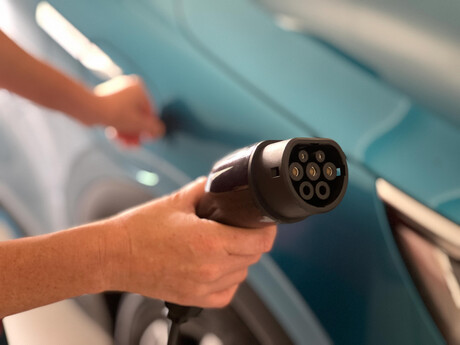
The NSW Government has released the 2026 NSW Electric Vehicle Strategy to help reduce emissions and make electric vehicles (EVs) — and their cost-of-living benefits — accessible to more people, with a focus on closing charging gaps in regional, remote and suburban areas.
In NSW, there is growing interest in EV uptake, with sales making up 15.6% of new car sales. With global fuel prices under pressure and ongoing uncertainty in international markets, the state government said accelerating the EV uptake has never been more important.
Switching to an EV can cut fuel costs by up to $3000 a year, or eliminate them entirely when paired with home solar, while reducing maintenance costs by around 40%.
“Owning an electric vehicle helps households and businesses save thousands of dollars on fuel and around 40% on maintenance,” said Minister for Climate Change and Energy Penny Sharpe. “This Strategy will get more EVs on the road and help drivers travel and charge with confidence.
“These updates will help build a world-class charging network, support electric trucks and grow the skilled workforce needed to maintain EVs.”
Backed by $100 million in funding, the 2026 NSW Electric Vehicle Strategy will provide:
-
Fast chargers where they’re needed most
Expanding the fast-charging network with a focus on regional, remote and suburban blackspots, so EV drivers outside city centres are not left behind.
-
More kerbside chargers
Rolling out more kerbside charging infrastructure to help EV drivers who cannot charge at home, including apartment residents.
-
Electric trucks on the road sooner
Expanding the EV Fleets Incentive Program from small to medium-size trucks, allowing organisations to electrify their delivery and service fleets.
-
A skilled EV workforce, especially in the regions
Investing in training for around 2000 mechanics in regional NSW, where access to courses is limited and travel distances longer, to safely service EVs and charging infrastructure.
-
Clear, reliable information
Strengthening central sources of information to help drivers, businesses, councils and owners’ corporations understand their options and access support.
To date, the NSW Government has funded more than 3300 EV chargers in more than 1200 sites across metropolitan, regional and remote NSW. More than 117,000 EVs are now registered in NSW, saving an estimated 141 million litres of petrol each year.
“We’re rolling out more charging stations to improve the network, particularly in regional and remote NSW, so going electric is a practical choice, and people can have confidence they will be able to access charging when they need it,” said Minister for Roads Jenny Aitchison.
“For regional communities, EV chargers drive economic development, putting more towns on the map, bringing in visitors who might not have stopped before and supporting local businesses.
“Families and businesses in the regions travel further and feel fuel costs more, so making EVs a realistic option significantly cuts costs and helps people to keep moving.”
Applications are now open for eligible councils to build capability and plan for further public charging rollout under a $3 million program, recognising their key role in supporting local access to EV infrastructure.
Fleets and truck operators can also currently apply for grants to electrify vehicles and install charging infrastructure.
To view the 2026 NSW Electric Vehicle Strategy, visit the website.
ACCC guidance on emissions claims to consumers released
The guidance aims to assist businesses in making accurate, credible emissions claims and to...
Industry transitions from gas to renewable heat: report
More than 230 Australian industrial sites and commercial buildings will have switched from gas to...
Industrial electricity costs could halve by sharing infrastructure
Heavy industry could reduce electricity costs by up to 50% by sharing renewable infrastructure...