Renewable electrochemical researcher receives science honour
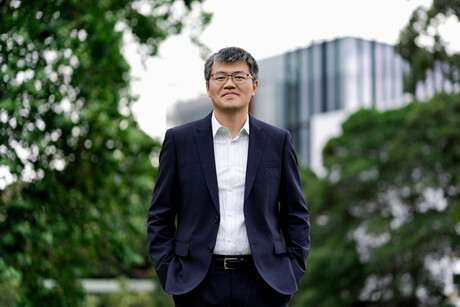
Associate Professor Fengwang Li has received the Malcolm McIntosh Prize for Physical Scientist of the Year as part of the 2026 Prime Minister’s Prizes for Science for his pioneering work in renewable electrochemical research — converting waste emissions into clean energy and sustainable manufacturing materials.
Li solved a longstanding international roadblock in carbon capture known as the ‘carbonate paradox’, where captured carbon dioxide dissolves in the form of carbonate salts and escapes into the atmosphere.
His creation of a new acidic reactor system to prevent this loss converts industrial CO2 emissions into ethylene, an essential chemical building block in everyday items such as textiles, detergents and medical equipment.
This invention achieved a 77% carbon efficiency, meaning more than three-quarters of captured CO2 converts into renewable chemicals and fuels. It paves the way for sovereign, fossil-free manufacturing.
Li also works towards solving the global challenge of storing and transporting clean hydrogen. By inventing a way to extract hydrogen from ammonia on demand, he has brought hydrogen much closer to commercial viability.
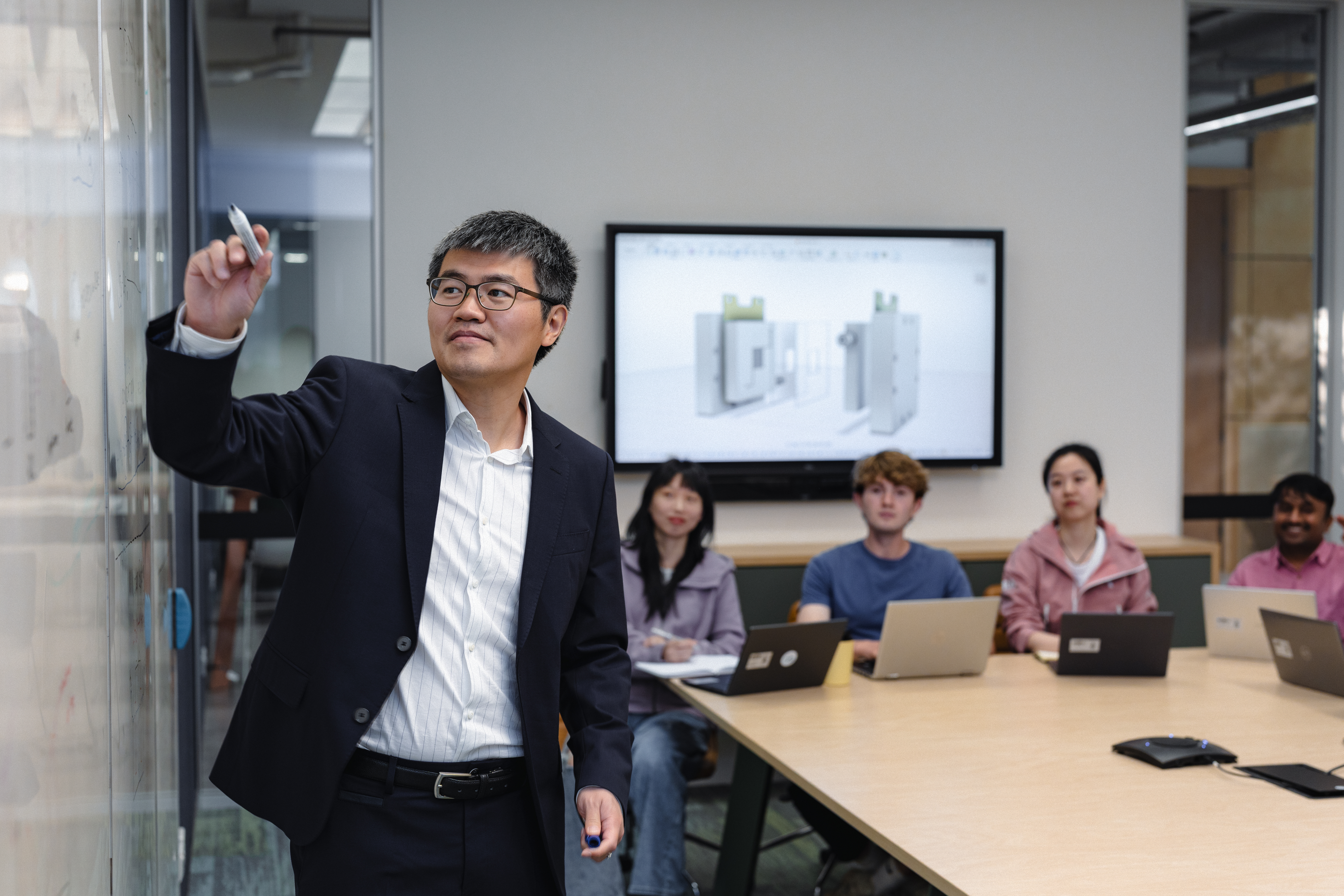
“Receiving the Malcolm McIntosh Prize for Physical Scientist of the Year is a great honour for me,” Li said. “It is vital recognition of the role of electrochemistry and catalysis in a sustainable future.
“Carbon dioxide electrocatalysis can turn carbon which would otherwise increase emissions into ethylene, which can be incorporated into everyday items ranging from food packaging to medical devices. It gives Australia an opportunity to make the molecules we need without relying on fossil resources.
“Australia also has vast potential to produce and export green hydrogen, subject to overcoming the challenge of storage and transportation challenges. Our ammonia cracking technology offers scope to store and transport hydrogen as ammonia and to release it as needed, heightening this opportunity.”
Li is also the Flagship Program Lead at the ARC Centre of Excellence for Green Electrochemical Transformation of CO2 (GETCO2) and developed an AI-powered ‘self-driving’ laboratory to test new sustainable materials up to 100 times faster than traditional methods.
See the full list of 2026 Prime Minister’s Prizes for Science recipients here.
No deal: Why did COP31 end without an agreement?
This year's COP was the longest to be held in history, with the UN conference extending for two...
First prize awarded to Aussie floating wind turbine design
The 12 teams selected to enter the Floating Wind Challenge competition designed and built a...
Research hub to advance energy transition
The hub has received almost $5 million from the Australian Research Council as part of the latest...