CSIRO 'Living Lab' to shape NSW's energy future
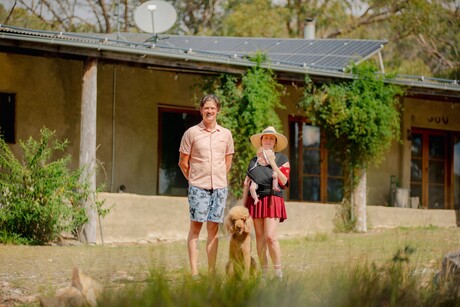
NSW households and small businesses can learn how to potentially unlock lower power bills and obtain deeper insights into their energy use by joining a new Living Lab Project.
The project is a collaboration between the NSW Government and CSIRO, and is supported by the Reliable, Affordable, Clean Energy (RACE) for 2030 Cooperative Research Centre.
This unique two-year citizen science project offers participants a chance to gain personalised insights into their energy usage and identify options for reducing their energy costs.
The new Living Lab project will leverage energy analytics to collect real-world data, observations and feedback from 1000 households and 60 small businesses across metropolitan and regional NSW.
This information will be used by the NSW Department of Climate Change, Energy, the Environment and Water (DCCEEW) to improve consumer energy programs aimed at helping households and small businesses reduce energy bills, lower emissions and enhance grid reliability across NSW.
NSW DCCEEW Executive Director Consumer Energy Gill Goldsmith said, “This is a direct opportunity for residents and small business owners to learn how to take control of their energy future.
“Whether you’re a homeowner or a renter or live in an apartment in the city or a farmhouse in rural Australia, we want to hear from you.
“Participants in the NEAC Living Lab program will receive valuable information to learn ways to save money on energy bills and will be helping to inform future policies and programs that will benefit all of NSW.”
The project is part of CSIRO’s National Energy Analysis Centre (NEAC) and is a key component under the NSW Consumer Energy Strategy.
“At CSIRO, we are working to understand why and when people use energy the way they do, and how they want to interact with clean energy technology such as solar, batteries, electric vehicles, and transitioning from gas to electricity,” said the Director of CSIRO’s National Energy Analysis Centre, Dr Stephen Craig.
“We also want to understand how consumers would want to interact with solutions such as virtual power plants, and how these changes would impact the electricity grid.”
The project is funded via Race for 2030 CRC, which includes a $1.8 million contribution from the NSW Government to support the delivery of new research and trials to improve consumer programs.
“This research aligns with our goals and recognises the importance of considering consumer behaviour and circumstances to drive outcomes that best suit consumers,” said CEO of the RACE for 2030 Cooperative Research Centre Billy Lilley.
To find out more and to apply to be a participant in the NEAC Living Lab, visit the website.
Roadmap released for Australia's bamboo industry
Engineered bamboo in Australia could cut greenhouse gas emissions by about 430,000 tonnes by 2035...
Australia now more at risk from climate pollution
Australians remain dangerously exposed and ill-prepared for the risks outlined in the 2025...
Biodiversity Standard launched to improve nature outcomes
The launched Standard was developed under the ENVOMARK Value Nature Framework, which assures...