BP Solar to close manufacturing plant in Sydney
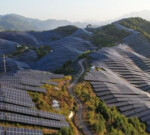
BP Solar will cease the production of solar photovoltaic (PV) power cells and panels from its manufacturing plant in Sydney Olympic Park at the end of March 2009.
The decision comes because the company is looking to focus its operations at larger scale plants in lowest cost manufacturing countries, in order to drive down the cost of solar power for consumers.
The BP Solar sales and marketing team in Australia will continue their activities, and aim to grow the sales and servicing of solar products. However, about 200 jobs will be lost from the manufacturing plant.
“The challenge for solar power is to reduce its costs to the level at which it competes on an equal footing with conventional electricity delivered through the power grid. To do this we need to expand at scale and reduce costs,” said Reyad Fezzani, global CEO of BP Solar.
“We’ve looked at all options in our Sydney manufacturing site and the physical location, lack of expansion potential and lease agreements just don’t make it competitive: the most modern solar PV manufacturing plants are up to 20 times larger than our Sydney site and we are competing in this global market.
“Globally, BP is investing around 1.5 billion US dollars per year in alternative energy, building material, focused, low-carbon energy businesses. BP Solar is a material part of BP’s Alternative Energy portfolio, and it needs to compete for investment and demonstrate profitable returns, just like our other businesses in the BP Group. Faced with a tough external environment, and an increasingly competitive solar market, we are focusing hard and listening to our customers.”
ACCC guidance on emissions claims to consumers released
The guidance aims to assist businesses in making accurate, credible emissions claims and to...
Industry transitions from gas to renewable heat: report
More than 230 Australian industrial sites and commercial buildings will have switched from gas to...
Industrial electricity costs could halve by sharing infrastructure
Heavy industry could reduce electricity costs by up to 50% by sharing renewable infrastructure...