Adelaide's carbon-neutral city plan
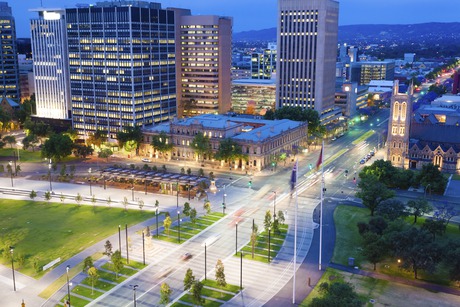
The South Australian Government and Adelaide City Council are developing a plan to make Adelaide the first carbon-neutral city in the world, as part of the state government’s strategy to cut emissions by 60% on 1990 levels by 2050.
Professional services firm pitt&sherry was engaged by the South Australian Government earlier this year to provide an initial assessment of the carbon-neutral strategy. The project has now been extended to complete a more detailed strategy paper, which is expected to be released in November.
South Australia, which already generates 38% of its electricity from renewable energy, is hoping to attract $10 billion in low-carbon investment into the state. In addition to improving the efficiency of the transport system and buildings, the state government plans to trial driverless cars in Adelaide and make improvements to the waste management and recycling sectors.
The Carbon Neutral Adelaide initiative adds to a portfolio of recent energy-efficiency projects that pitt&sherry has been involved with for capital cities and local governments around Australia. These projects include assisting the City of Sydney with its Energy Efficiency Master Plan and helping the ACT Government with its Climate Change Action Plan 2.
Philip Harrington, principal consultant — Carbon & Energy at pitt&sherry, said Adelaide City Council and other local governments are not just showing leadership through their energy-efficiency initiatives, but also realising significant economic benefits.
“On the one hand, it is great they are showing leadership domestically to enhance Australia’s reputation as a country working to reduce energy emissions,” Harrington said.
“On the other hand, there will be direct financial benefits for the City of Adelaide, as well as the local community, which will also become engaged in these strategies.”
Industry transitions from gas to renewable heat: report
More than 230 Australian industrial sites and commercial buildings will have switched from gas to...
Industrial electricity costs could halve by sharing infrastructure
Heavy industry could reduce electricity costs by up to 50% by sharing renewable infrastructure...
$3m investment in microgrids for Far West communities
The project will scope assets required to generate and store energy locally for NSW communities...